jueves, 29 de octubre de 2026
jueves, 16 de septiembre de 2021
CCSS 1 ESO
Ciencias Sociales

Programación - 1º ESO
Curso 2021 / 2022
¿Qué son las Ciencias Sociales?
Bienvenida /o a la materia de Ciencias sociales de 1º de la ESO. Ya sabes que hablar de las Ciencias Sociales es hablar de
Evaluación de alumnos con la materia pendiente:
Si no superas los estándares de aprendizaje establecidos para este curso podrás hacerlo en una prueba extraordinaria que se realizará en el mes de septiembre
BLOQUE DE GEOGRAFÍA FÍSICA:
UNIDAD 1. El planeta Tierra.
UNIDAD 2. El medio físico de la Tierra.
UNIDAD 3. El medio físico de la Tierra. Componentes básicos.
UNIDAD 4. El clima y las zonas bioclimáticas.
UNIDAD 5. Los grandes conjuntos bioclimáticos.
UNIDAD 6. El medio físico y los bioclimas de España y de Andalucía.
BLOQUE DE PREHISTORIA Y PRIMERAS CIVILIZACIONES FLUVIALES:
UNIDAD 7. La Prehistoria.
UNIDAD 8. Mesopotamia.
UNIDAD 9. Egipto.
BLOQUE DE LA ANTIGÜEDAD CLÁSICA:
UNIDAD 10. Grecia.
UNIDAD 11. Roma.
UNIDAD 12. España y Andalucía en la Antigüedad.


domingo, 18 de marzo de 2018
miércoles, 14 de marzo de 2018
martes, 20 de febrero de 2018
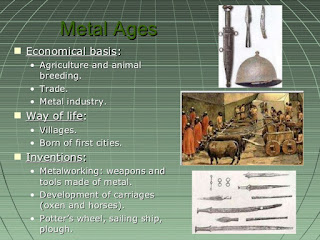
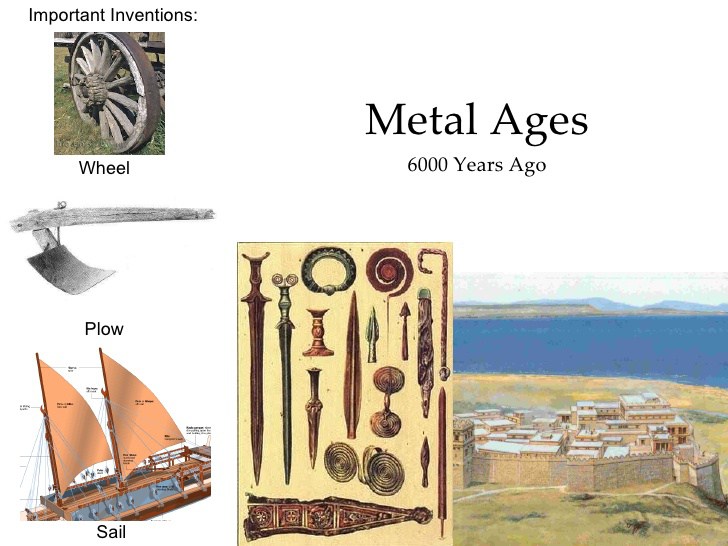
10. The metal ages.
KAHOOT Neolithicandmetal ages
Answer these questions
1. what was the main discover in that time?
2. when did the metal ages begin?
3. What was the use of a plough?
4. What metal working techniques were used during this period?
5. What happened to the population and settlements during this time?
6. Describe the megalithic monuments: a mehir, a stone circle, and a dolmen?
7. What were the main inventions of this period?


Answer these questions
1. what was the main discover in that time?
2. when did the metal ages begin?
3. What was the use of a plough?
4. What metal working techniques were used during this period?
5. What happened to the population and settlements during this time?
6. Describe the megalithic monuments: a mehir, a stone circle, and a dolmen?
7. What were the main inventions of this period?



domingo, 17 de septiembre de 2017
lunes, 22 de mayo de 2017
Geography
Unit 1
Maps and location on the Earth
The Earth movements
Activities longitude and latitude
video longitude and latitude
2. Watch this video and answer the questions
https://www.youtube.com/watch?v=urr53arh--E
Who can remember in which continent there is no people? or which continent is most populous? Or which continent is the largest? where is the Niagara waterfall or the Amazon River?
3. Relief

Who can remember the difference between a plain and a plateau? Where are the glaciers? What are differences between a peninsula and an island? Who can give me an example of strait? and of peninsula? Who can describe a gulf? Where is the highest mountaint?
Who can point out what is a plateau? and what is a plain?and where is a guff?
who can remember in which continent there is no people? or which continent is most populous? Or which continent is the largest? where is the Niagara waterfall or the Amazon River?
who can remember in which continent there is no people? or which continent is most populous? Or which continent is the largest? where is the Niagara waterfall or the Amazon River?
4. The climate
Watch the video and answer these questions:
1. How's the weather at the Bear's home?
2. What's the meaning of playing charades?
3. Whatś the meaning of shivering? Why is the polar bear shivering?
4. In the polar regions only have.............
5. Whatś the climate?
6. Which are the changes from day to day and even from hour to hour?
7. Can the climate be sunny and hot?
8.The___________ is the average daily weather for an extended period of time a certain place?
9. What represents the colours of the globe?
10. How many parts are there in the globe basic on the climate? Which are their names?
11. Where's the Torrid zone? and the temperate zone?
12. In which zone are the temperatures high?
13. In which zone can you find two bigs deserts and heavy rains?
14. Why is there a lot of rain in the Equator?
15. Which is the largest climate zone?
16. Whatś the meaning of moderate?
17. Why are the polar regions so cold?
18. The temperature decreases as we go away from........
19. What´s the meaning of slanting rays?
20. Why are the temperatures low in the Himalaya?
Suscribirse a:
Entradas (Atom)