VIDEO de ABBA
ADJOA PRESENTACIÓN
miércoles, 14 de marzo de 2018
martes, 20 de febrero de 2018
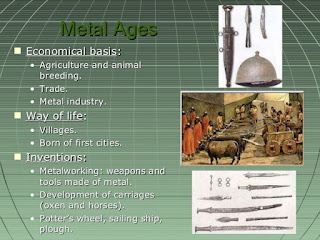
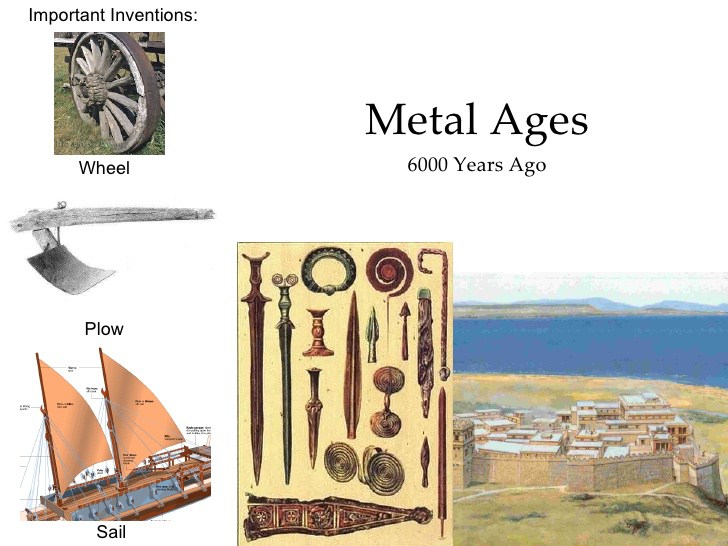
10. The metal ages.
KAHOOT Neolithicandmetal ages
Answer these questions
1. what was the main discover in that time?
2. when did the metal ages begin?
3. What was the use of a plough?
4. What metal working techniques were used during this period?
5. What happened to the population and settlements during this time?
6. Describe the megalithic monuments: a mehir, a stone circle, and a dolmen?
7. What were the main inventions of this period?


Answer these questions
1. what was the main discover in that time?
2. when did the metal ages begin?
3. What was the use of a plough?
4. What metal working techniques were used during this period?
5. What happened to the population and settlements during this time?
6. Describe the megalithic monuments: a mehir, a stone circle, and a dolmen?
7. What were the main inventions of this period?




domingo, 17 de septiembre de 2017
lunes, 22 de mayo de 2017
Geography
Unit 1
Maps and location on the Earth
The Earth movements
Activities longitude and latitude
video longitude and latitude
2. Watch this video and answer the questions
https://www.youtube.com/watch?v=urr53arh--E
Who can remember in which continent there is no people? or which continent is most populous? Or which continent is the largest? where is the Niagara waterfall or the Amazon River?
3. Relief

Maps and location on the Earth
The Earth movements
Activities longitude and latitude
video longitude and latitude
2. Watch this video and answer the questions
https://www.youtube.com/watch?v=urr53arh--E
Who can remember in which continent there is no people? or which continent is most populous? Or which continent is the largest? where is the Niagara waterfall or the Amazon River?
3. Relief

Who can remember the difference between a plain and a plateau? Where are the glaciers? What are differences between a peninsula and an island? Who can give me an example of strait? and of peninsula? Who can describe a gulf? Where is the highest mountaint?
Who can point out what is a plateau? and what is a plain?and where is a guff?
who can remember in which continent there is no people? or which continent is most populous? Or which continent is the largest? where is the Niagara waterfall or the Amazon River?
who can remember in which continent there is no people? or which continent is most populous? Or which continent is the largest? where is the Niagara waterfall or the Amazon River?
4. The climate
Watch the video and answer these questions:
1. How's the weather at the Bear's home?
2. What's the meaning of playing charades?
3. Whatś the meaning of shivering? Why is the polar bear shivering?
4. In the polar regions only have.............
5. Whatś the climate?
6. Which are the changes from day to day and even from hour to hour?
7. Can the climate be sunny and hot?
8.The___________ is the average daily weather for an extended period of time a certain place?
9. What represents the colours of the globe?
10. How many parts are there in the globe basic on the climate? Which are their names?
11. Where's the Torrid zone? and the temperate zone?
12. In which zone are the temperatures high?
13. In which zone can you find two bigs deserts and heavy rains?
14. Why is there a lot of rain in the Equator?
15. Which is the largest climate zone?
16. Whatś the meaning of moderate?
17. Why are the polar regions so cold?
18. The temperature decreases as we go away from........
19. What´s the meaning of slanting rays?
20. Why are the temperatures low in the Himalaya?
1. How's the weather at the Bear's home?
2. What's the meaning of playing charades?
3. Whatś the meaning of shivering? Why is the polar bear shivering?
4. In the polar regions only have.............
5. Whatś the climate?
6. Which are the changes from day to day and even from hour to hour?
7. Can the climate be sunny and hot?
8.The___________ is the average daily weather for an extended period of time a certain place?
9. What represents the colours of the globe?
10. How many parts are there in the globe basic on the climate? Which are their names?
11. Where's the Torrid zone? and the temperate zone?
12. In which zone are the temperatures high?
13. In which zone can you find two bigs deserts and heavy rains?
14. Why is there a lot of rain in the Equator?
15. Which is the largest climate zone?
16. Whatś the meaning of moderate?
17. Why are the polar regions so cold?
18. The temperature decreases as we go away from........
19. What´s the meaning of slanting rays?
20. Why are the temperatures low in the Himalaya?
jueves, 26 de enero de 2017
Trabajo recuperación 1 evaluación
1. Lea la pagina 14 y conteste: ¿ Qué tres cirscunstancias favorecerán el desarrollo de la vida en la Tierra?
2. Describa el movimiento de rotación y sus consecuencias.
3. Describa el movimiento de traslación y sus principales consecuencias.
4. ¿ Qué es un huso horario?
5 Defina: solsticio, equinoccio, paralelo, meridiano,
6. Describa cuales son las zonas climáticas de la Tierra.
7. ¿ Cuál es la latitud de los principales paralelos ? ¿ Cuál es el principal meridiano?¿ qué longitud tiene?
8. Calcule la latitud y longitud de Sevilla.
9. Realice los mapas mundi, Europa y España con los conceptos mínimos.
2. Describa el movimiento de rotación y sus consecuencias.
3. Describa el movimiento de traslación y sus principales consecuencias.
4. ¿ Qué es un huso horario?
5 Defina: solsticio, equinoccio, paralelo, meridiano,
6. Describa cuales son las zonas climáticas de la Tierra.
7. ¿ Cuál es la latitud de los principales paralelos ? ¿ Cuál es el principal meridiano?¿ qué longitud tiene?
8. Calcule la latitud y longitud de Sevilla.
9. Realice los mapas mundi, Europa y España con los conceptos mínimos.
jueves, 1 de diciembre de 2016
Rúbrica de actitud.
| Al empezar la clase espera sentado en su sitio en silencio que empiece la clase con normalidad. Muy participativo/a en la asignatura, interviene cuando le corresponde, respeta el turno de palabra. Atiende en silencio a las explicaciones del profesorado e intervenciones de los compañeros/as. Trae siempre la tarea de casa y trabaja en clase. Es respetuoso/a en sus trato con los demás. Colabora con los otros compañeros en la realización de las tareas. 10 puntos. |
| Al llegar la profesora a clase espera en silencio que empiece la clase. Se interesa por la asignatura e interviene cuando le corresponde. Atiende en silencio a las explicaciones del profesor e intervenciones de los compañeros. Suele traer la tarea de casa y trabaja en clase. Es respetuoso/a en sus trato. 8 puntos. |
Aunque manifiesta interés y
participa habla demasiado lo que entorpece
el desarrollo de la
clase y dificulta su desarrollo. A veces no trae la tarea de casa. No trabaja lo que debería en clase. 6 puntos.
|
| Habla constantemente lo que le impide atender a las explicaciones. 4 puntos. |
| Pasivo/a, no trabaja, charla muchísimo, no trae la tarea de casa . 2 puntos. |
| Falta el respeto al profesorado y a los compañeros/as. 0 puntos. |
viernes, 7 de octubre de 2016
Corrección de cuadernos
CORRECCIÓN
DE CUADERNOS
1.
ORGANIZACIÓN (máximo de 15 puntos)
5
puntos
4
puntos
2
punto
0
puntos
|
||||
|
Sí,
siempre
|
Casi siempre
|
La mitad de temas
más o menos
|
Menos de la mitad
de las veces
|
|
Sí,
siempre
|
Casi siempre
|
La mitad de días
más o menos
|
Menos de la mitad
de las veces
|
|
Sí,
siempre
|
Casi siempre
|
La mitad de las
páginas más o menos
|
Menos de la mitad
de las veces
|
2.
CONTENIDO (1ª parte) (máximo de 25 puntos)
25
puntos
16
puntos
10
puntos
0
puntos
|
||||
Ejercicios
realizados
|
Todos
|
Casi todos
|
La mitad más o
menos
|
Menos de la mitad
|
3.
CONTENIDO (2ª parte) (máximo de 30 puntos)
10
puntos
7 puntos
4
puntos
0 puntos
|
||||
a)Enunciados
|
Copiados enteros
siempre
|
Copiados enteros
casi siempre
|
Copiados
enteros la mitad de los ejercicios más o menos
|
Copiados
enteros menos de la mitad de los ejercicios
|
b)
Apuntes de clase
|
Todos
|
Casi todos
|
La mitad más o
menos
|
Menos de la mitad
|
c)
Correcciones
|
Hay
bastantes correcciones
|
Hay algunas
correcciones
|
Hay
pocas correcciones
|
Hay
muy pocas o ninguna corrección
|
4.
LIMPIEZA (máximo de 30 puntos)
10
puntos
7 puntos
4
punto
0
puntos
|
||||
a) Aspecto general del
cuaderno
|
El
cuaderno está muy cuidado y muy limpio
|
El
cuaderno está cuidado y limpio
|
El
cuaderno tiene hojas y/o la portada arrugadas y/o sucias
|
El
cuaderno tiene hojas y/o la portada rotas y/o muy sucios
|
|
Excelente
letra
|
La
letra se lee sin problemas
|
La
letra se puede leer pero es poco clara
|
La
letra se lee con dificultad o es ilegible
|
|
Los ejercicios se
distinguen perfectamente unos de otros
|
No hay problema
en distinguir unos ejercicios de otros
|
Los ejercicios se
distinguen unos de otros con dificultad
|
No
se distinguen unos ejercicios de otros
|
Suscribirse a:
Entradas (Atom)